Leave First, Investigate Never
Natural gas has an added rotten egg odor precisely so people notice it, and the correct response to a strong smell is immediate exit, not investigation. Do not try to find the leak, do not open windows on your way through, and do not flip any electrical switches, because a tiny spark from a switch, a garage door opener, or a phone used indoors can ignite concentrated gas. Get everyone, including pets, out of the house and away from it, leaving doors as they are. If the smell is faint and limited to the moment an appliance starts, that is a different situation described below, but a persistent or strong odor always means leave. There is no version of this where checking one more thing inside is worth it.
Call the Utility or 911 From Outside
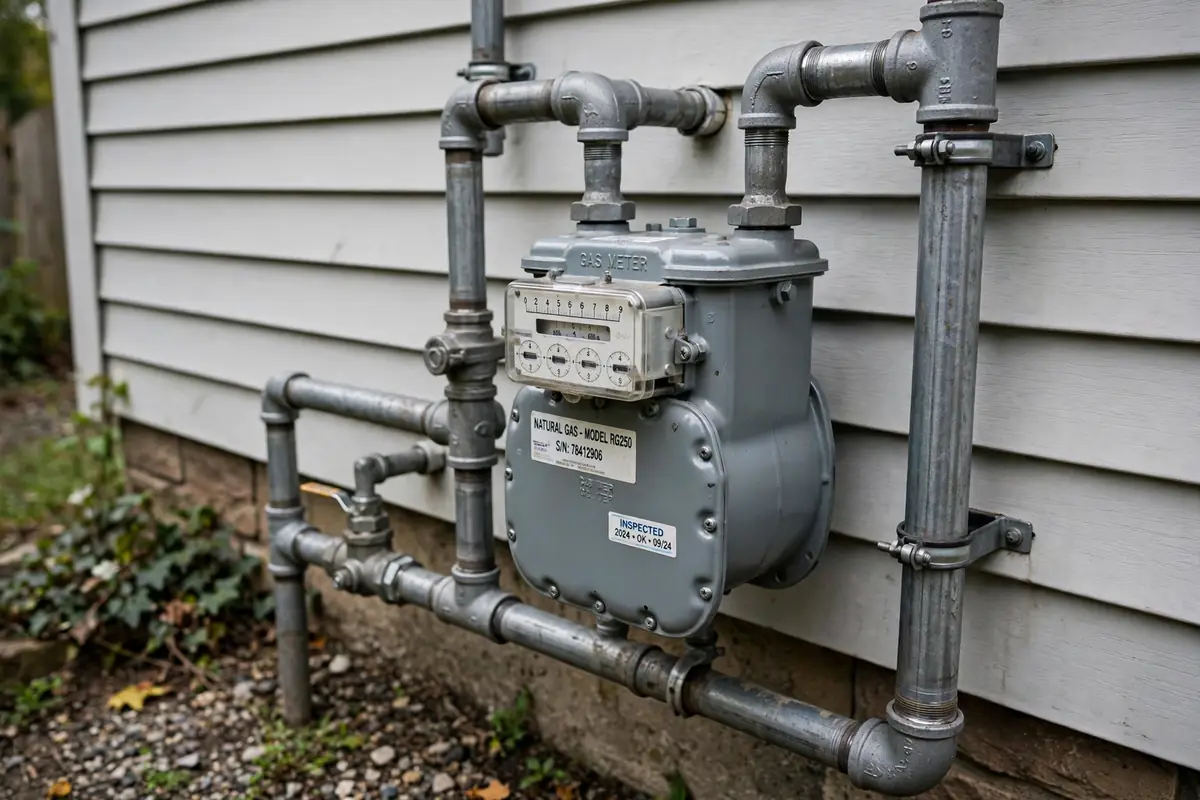
Once you are a safe distance from the home, across the street or at a neighbor's house, call 911 or the gas utility's emergency line. The utility responds to suspected leaks as a priority, checks the home and the meter with detection equipment, and shuts off the gas at the meter if needed. This step comes before calling a plumber, always, because the utility secures the scene and tells you when it is safe to re-enter. If you know exactly where your meter shutoff is and can reach it without re-entering the home or passing through the gas smell, that is an option, but it is never required: leaving and calling is the complete, correct action for most people.
What Counts as a Real Gas Smell
A brief faint whiff when a burner first lights, gone in seconds, can be normal ignition. Warning signs are different: a rotten egg smell that persists, a smell strongest near the water heater, furnace, stove connections, or any flexible gas line, a hissing sound near a pipe, dead or discolored vegetation above a buried gas line in the yard, or physical symptoms like headache and dizziness that ease outdoors. Carbon monoxide is a separate danger from faulty combustion and is odorless, which is why working carbon monoxide detectors belong near sleeping areas regardless. When in doubt, treat the smell as real, leave, and let detection equipment make the decision instead of your nose.
What Happens After the Utility Clears the Home
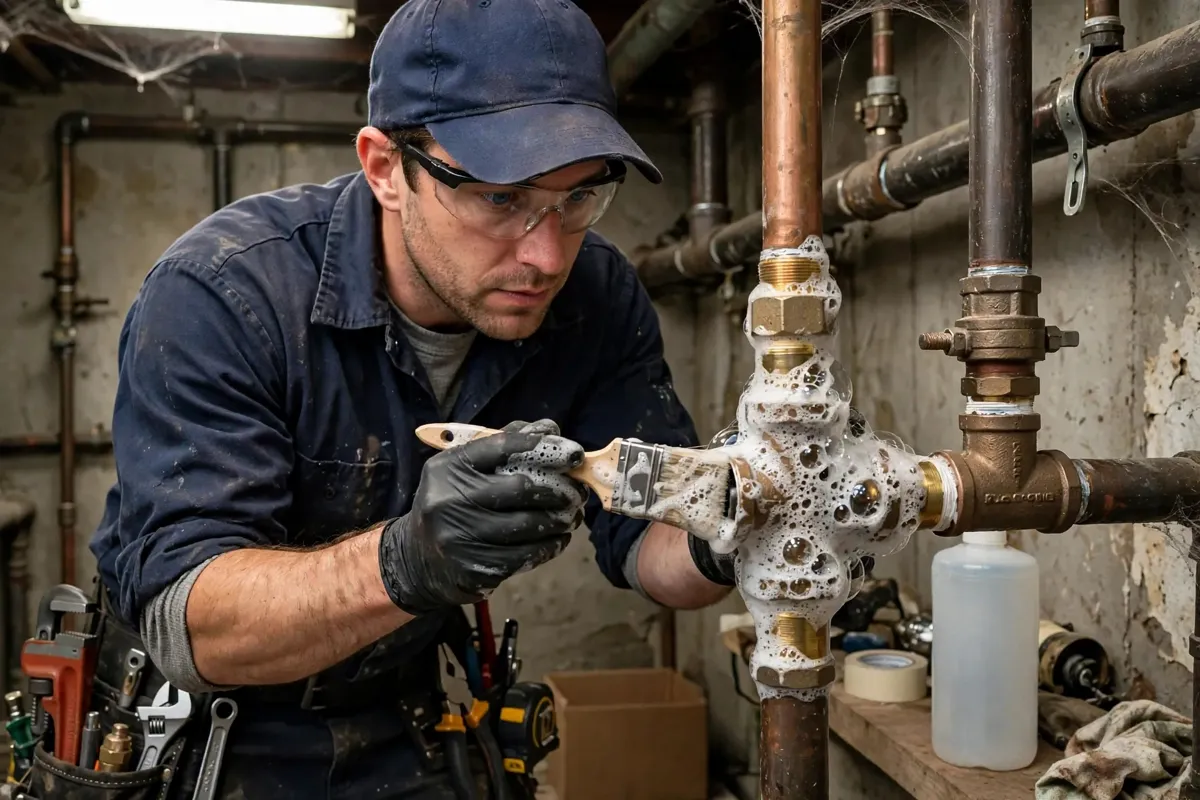
If the utility finds a leak on the house side of the meter, that piping belongs to the homeowner, and repair becomes a plumber's job. Gas line repair means locating the leak precisely, replacing the failed section or fitting, and pressure testing the entire line to prove it holds before gas service is restored. Common failure points are corroded threaded joints, aging flexible connectors behind stoves and dryers, and lines damaged by settling or by work done nearby. No part of a gas repair should be rushed or skipped, and the pressure test is the step that separates a verified fix from a hope. Carson Pipe Pros at (123) 456-7890 handles the repair and testing side once the utility has cleared the property.
Prevention: Connectors, Detectors, and Knowing Your Shutoffs
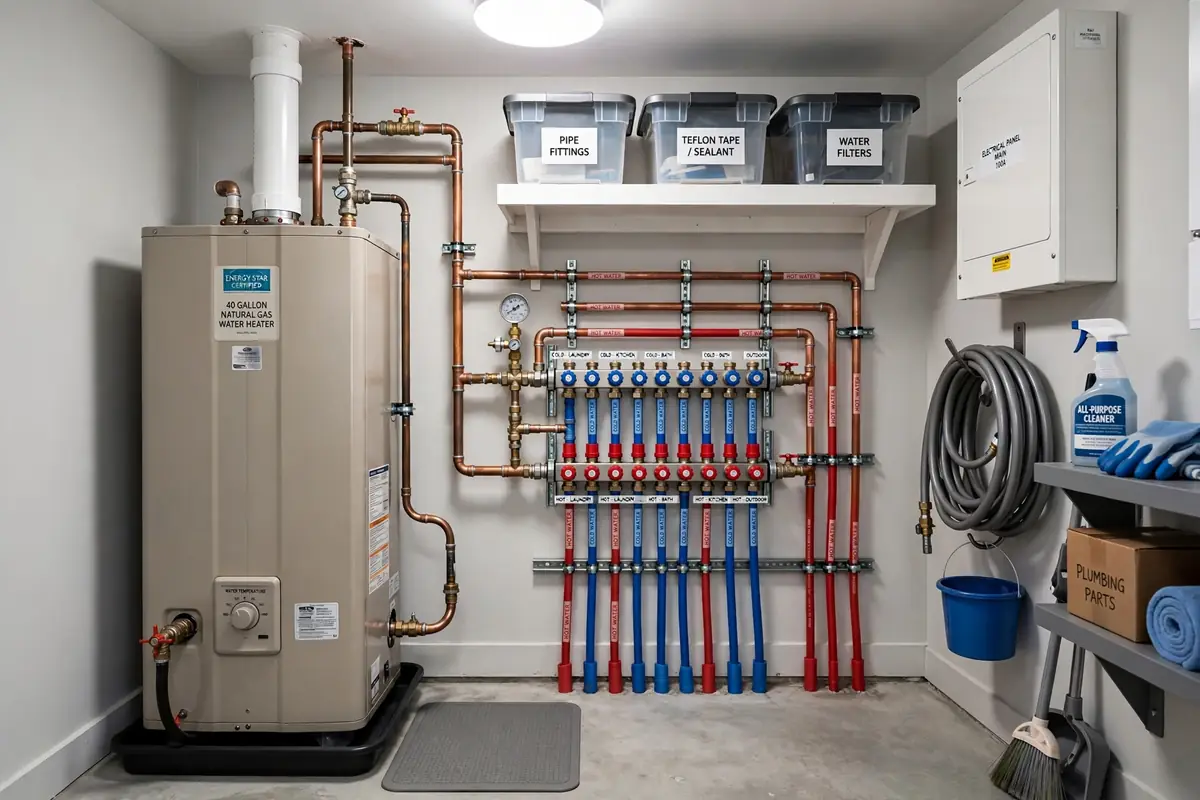
Most gas emergencies are handled in the moment, but a few habits shrink the risk. Replace aging flexible appliance connectors when appliances are replaced rather than reusing them indefinitely. Keep the area around the water heater and furnace clear so lines and valves stay visible and reachable. Know the location of your gas meter and its shutoff valve before you ever need it, the same way you should know your water shutoff valve. Keep carbon monoxide detectors current and tested. And teach everyone in the home the simple rule: smell gas, get out, call from outside. A household that has rehearsed that once will do it calmly if the day ever comes.
After a repair and a passed pressure test, the utility restores service and relights pilots where needed, and appliances should be checked one at a time rather than all at once. Keep the paperwork from both the utility visit and the plumbing repair together: it documents what failed, what was replaced, and that the line was verified, which is exactly what a future buyer, insurer, or technician will want to know.
Questions About Smell Gas Near a Pipe
Who do I call first when I smell gas, the utility or a plumber?
The gas utility or 911, from outside the home. They secure the scene and shut off the gas if needed. A plumber handles repairs afterward.
Can I turn off the gas at the meter myself?
If you can reach the meter shutoff without re-entering the home or passing through the smell, you may. It is never required, and leaving plus calling is always correct.
Is a faint gas smell when the stove lights an emergency?
A momentary faint whiff at ignition that disappears can be normal. A persistent odor, hissing, or symptoms are not. When unsure, leave and call.
Does a plumber pressure test a gas line after repair?
Yes. Pressure testing the full line is how a repair is verified before gas service resumes, and it confirms there are no other leaks.