
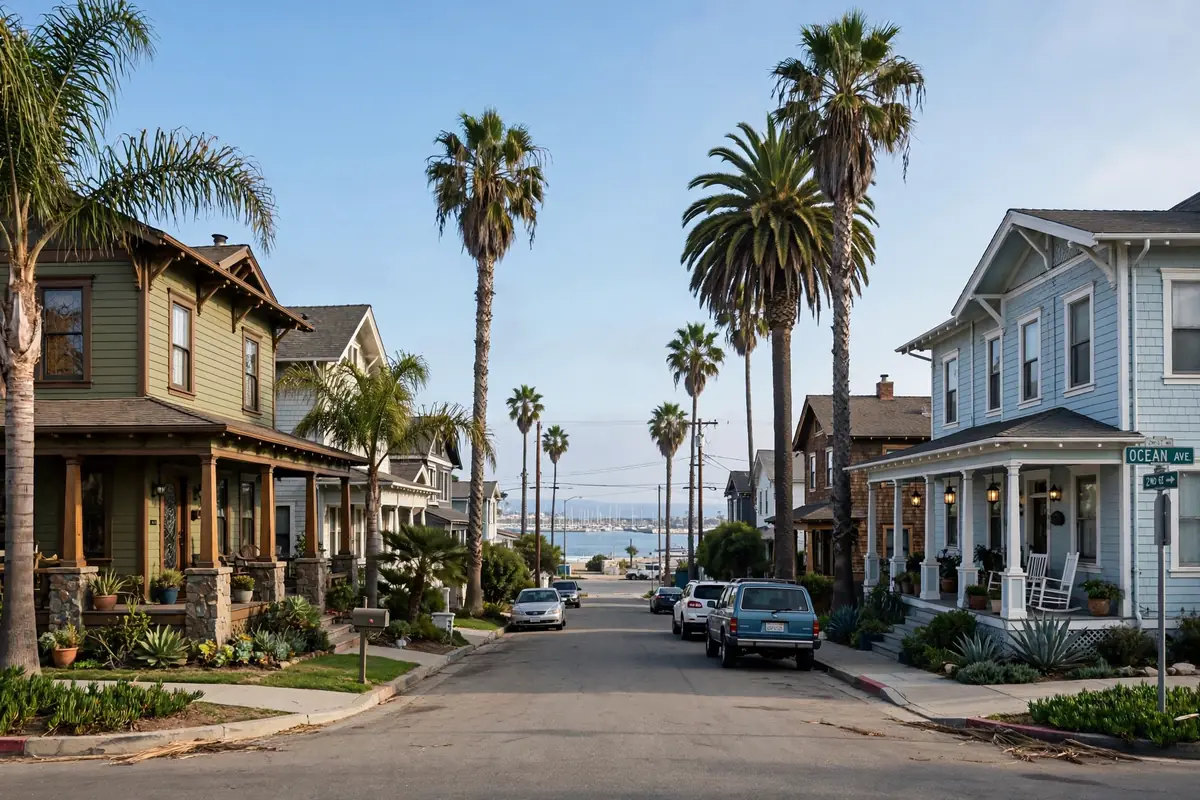
Craftsman Blocks of California Heights and Rose Park
California Heights, Rose Park, and Belmont Heights hold some of the finest Craftsman bungalows in Southern California, street after street of low porches, tapered columns, and original woodwork. These historic districts are the pride of Long Beach, and their plumbing is every bit as old as their architecture, much of it original to the 1920s and 1930s.
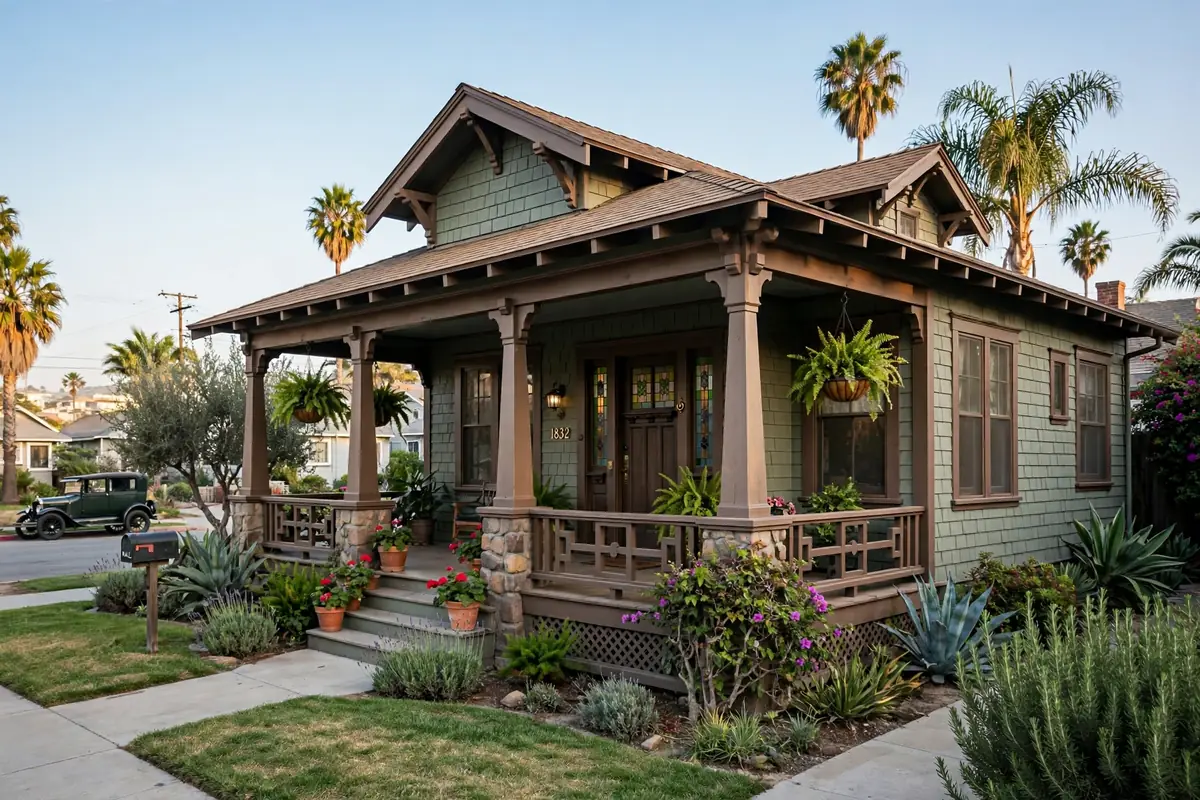
Working in a historic bungalow is different from working in a tract home. Plaster walls, hardwood floors, and built in cabinetry deserve protection, and access often runs through raised foundations and tight crawl spaces rather than open attics. We plan routes around the home features first and the pipe second, not the other way around.
Owners in these districts also tend to stay for decades, which means deferred plumbing decisions come due on their watch. A bungalow that has been patched for years eventually needs a system level answer, and we provide it with routes and methods chosen to preserve what makes the house worth keeping.
Bungalows to Canal Homes: Long Beach Housing by Era
Long Beach housing reads like a timeline. The 1920s to 1940s brought the bungalows and Spanish revival homes of the historic districts, plumbed with galvanized supply lines and clay sewer laterals. Bixby Knolls and the postwar neighborhoods added ranch homes with copper arriving alongside remaining galvanized, and cast iron drains under many floors.
Later decades filled in East Long Beach with slab homes and planned communities, while Naples Island and the Peninsula kept their distinctive waterfront housing from earlier eras. Each generation used the pipe materials of its moment, and each material now fails in its own recognizable way, which is why the age of a Long Beach home predicts its plumbing problems so well.
When you call about a Long Beach address, the era of the home is one of our first questions. It tells us what to expect behind the walls before we open anything: galvanized in the bungalow, mixed metals in the postwar ranch, and clay laterals waiting under nearly every older street in the city.
Naples Island Canals, Belmont Shore, and Life Near the Water
Water defines the eastern edge of Long Beach: the canals of Naples Island, the shops and homes of Belmont Shore along Second Street, and the beach blocks of the Peninsula. The Queen Mary sits across the harbor downtown, and the Port of Long Beach works around the clock. Living near all that water is the point of these neighborhoods, and it also shapes their plumbing.
Marine air reaches every exterior fitting in the shore neighborhoods, and canal side homes deal with high humidity, salt exposure, and in some spots a high water table that keeps soil around sewer laterals damp. Damp soil and aging clay joints are an open invitation to tree roots, and root intrusion is the most common sewer complaint we hear from Naples and Belmont addresses.
Galvanized Failures Across 1920s to 1940s Long Beach Homes
The galvanized supply lines in older Long Beach homes have now carried water for eighty to one hundred years. Inside, rust and mineral scale have narrowed many of them to a fraction of their original opening. The result is the familiar pattern: pressure that disappoints, hot water that arrives slowly, and rust tinted water after the house sits empty for a weekend.
Failure, when it comes, is usually a burst at a threaded fitting or a pinhole that finally opens in a wall or ceiling. Because the whole system shares the same age and corrosion, the first leak in a galvanized Long Beach home should be read as a system report, and our inspections treat it that way, checking the runs beyond the one that failed.
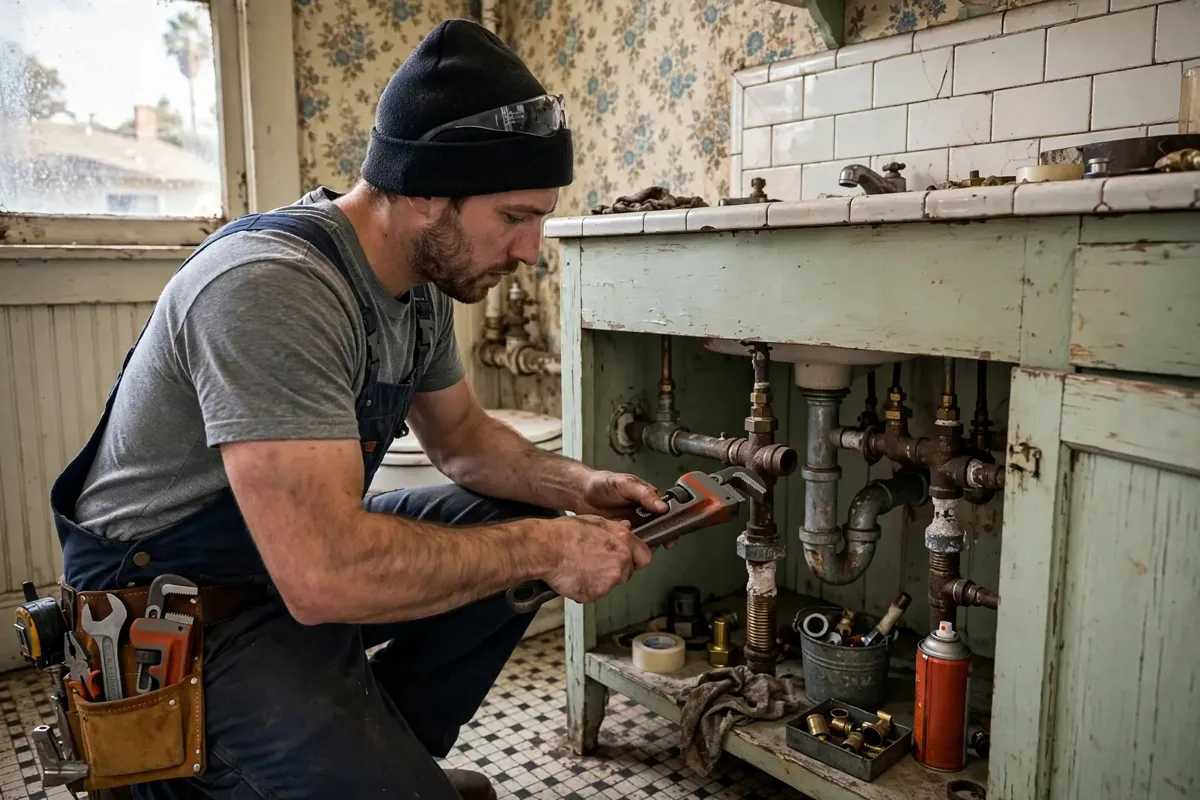
Ceiling leaks deserve special urgency in bungalows with original plaster. Water spreads through plaster and lath quickly and stains broadly, so shutting the water off fast and getting the line dried and repaired protects both the plumbing and the historic fabric of the home at the same time.
Marine Air, Hard Water, and Long Beach Pipe Wear
Long Beach combines two accelerants for pipe wear: mineral rich water flowing inside the lines and marine air working on everything outside them. Indoors, scale builds fastest at the water heater and in hot water lines, and galvanized pipe collects rust on top of scale until the passage narrows and pressure falls across the whole house.
Outdoors and in garages, salt air corrodes exposed copper, hose bibs, and valves, and it attacks the steel of water heater tanks and fittings. Shore neighborhood homes show this fastest, but no part of Long Beach is far enough from the ocean to escape it entirely. Valves that are never exercised seize, which is why we test shutoffs during every visit.
Clay Sewer Laterals Under Historic Long Beach Streets
The clay sewer laterals under older Long Beach streets were laid in short sections with joints that shift as soil settles over the decades. Roots enter those joints, sections offset, and bellies form where the line sags and holds water. A lateral can drain acceptably for years while roots grow, then back up suddenly when the mass finally blocks the pipe.
Our approach is camera first. The inspection shows roots, cracks, offsets, and scale in the cast iron section under the home, and it locates problems precisely so any digging is targeted. Hydro jetting then scours the line clean, cutting roots and washing away buildup, and for many Long Beach laterals that restores full service without excavation.
When the camera shows a lateral that has collapsed or cracked beyond jetting, we explain the repair options and show you the footage. Sewer decisions are easier when you have seen the inside of your own pipe, and we make sure every Long Beach customer gets that view before committing to major work.
How a Long Beach Burst Pipe Visit Unfolds
Long Beach is a big city, so routing matters. When you call (123) 456-7890, we confirm your neighborhood and ZIP code, ask about the age of the home and where water is showing, and dispatch the crew whose route and materials fit. In a bungalow that means galvanized repair stock; in a slab home it means leak detection gear aboard.
At the home, water control comes first, then diagnosis of the failed section and the system around it. We protect floors and finishes, especially in historic homes, and explain the repair plan before opening walls or ceilings. After the fix, the line is pressure tested, fixtures are checked, and the work area is left clean.
Bixby Knolls to the Queen Mary: Our Long Beach Reach
We cover Long Beach end to end across ZIP codes 90802 to 90815: downtown and the Queen Mary waterfront, the historic districts of California Heights, Rose Park, and Belmont Heights, Bixby Knolls in the north, Naples Island and Belmont Shore on the water, and the East Long Beach neighborhoods toward the Los Alamitos border.
The city also includes the port neighborhoods on the west side and the blocks around Long Beach City College and El Dorado Park. Wherever your Long Beach address falls, the routine is the same: call, describe the problem and the age of the home, and we will confirm the arrival window and arrive with the era appropriate materials.
Condo and multi unit buildings are part of Long Beach life too, and burst pipes there involve neighbors above and below. We coordinate with building management on shutoffs when needed and document the source of the leak clearly, which helps everyone involved sort out the repair responsibilities.
Repiping a Historic Bungalow Without Losing Its Character
A full galvanized system in a Long Beach bungalow eventually asks to be retired, and PEX repiping is how most owners answer. Flexible lines route through attics, crawl spaces, and carefully chosen wall chases, which keeps openings in original plaster small and planned. The home keeps its character while gaining modern pressure and clean water at every fixture.
Repiping also lets us correct the oddities of a century of plumbing: dead end galvanized stubs, mixed metal joints that corrode each other, and valves in places nobody can reach. The finished system is uniform and documented, with accessible shutoffs and a pressure test on every run before walls are closed.
Reading the Early Clues in Long Beach Plumbing
Long Beach plumbing rarely fails without warning. Rust in the first draw of water, a toilet that refills slowly, drains that gurgle when the washer empties, a meter that creeps while the house is quiet: each is an early clue with a specific meaning, and each is far cheaper to answer early than after the burst or the backup.
Keep (123) 456-7890 saved, and call when a clue appears rather than when it ripens. An inspection that maps your galvanized runs, your lateral, and your water pressure turns the unknowns of an older Long Beach home into a short, manageable list, and that list is the difference between planned work and emergency work.
A Burst Pipe in a Long Beach Condo Touches Every Floor
In Long Beach condos and apartment buildings, a burst pipe is never a one unit problem. Water from an upper floor travels down through ceilings and wall cavities, and a leak left running can affect several homes before it is found. The first move is the unit shutoff if your condo has one, and the second is alerting building management, who can close the stack or the building main.
While management is on the way, protect the vertical path: move belongings away from the wall where water is traveling, place towels at baseboards, and knock on the door below you. Downstairs neighbors who know early can move their own belongings and open their ceiling access if the building has it, which speeds the repair for everyone involved and limits the total damage considerably.
Call (123) 456-7890 with the building address, your floor, and whether the water is shut off yet. We coordinate with management and document the source unit and the failed section carefully, because in multi unit Long Beach buildings the paperwork matters almost as much as the pipe. Clear records of where the failure started help owners and associations sort out responsibilities without arguments later.
The Wrigley District and Its Century Old Water Lines
The Wrigley district, named for the Wrigley chewing gum family whose early investment shaped this part of the city, is one of the oldest residential areas in Long Beach, with homes from the early 1900s on streets that climb toward Signal Hill. Its housing predates most of the Craftsman districts, and its plumbing predates them too, with some of the earliest galvanized supply lines and cast iron drainage a plumber meets anywhere in the city.
Wrigley homes reward careful reading. Many were built as substantial houses, then divided, added onto, or restored over a century, and the plumbing maps those changes faithfully if you know how to look. Original galvanized mains, copper branches from a restoration, cast iron stacks, and clay laterals can all coexist in one Wrigley property, each with its own remaining life.
For Wrigley owners, the practical path is a documented survey before a crisis: which runs are original, which junctions mix metals, what the pressure reads, and what the camera shows in the lateral. With that survey in hand, renewal can be staged room by room and year by year, protecting both the house and the household budget from the emergency version of the same work.